1
/
of
1
Skira Arte
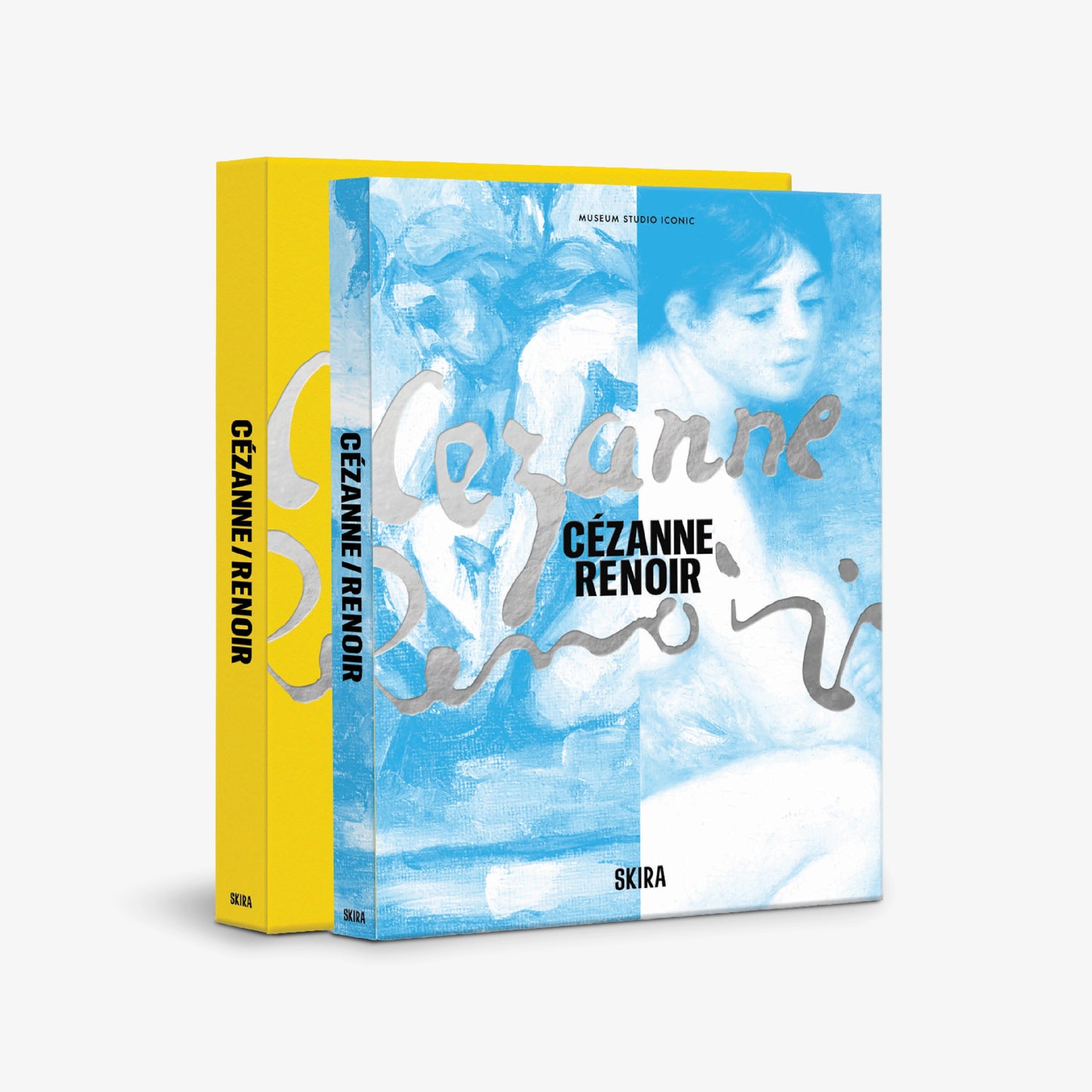
Cézanne / Renoir: Capolavori dal Musée de l’Orangerie e dal Musée d’Orsay (Deluxe Edition)
Cézanne / Renoir: Capolavori dal Musée de l’Orangerie e dal Musée d’Orsay (Deluxe Edition)
Regular price
€200,00 EUR
Regular price
Sale price
€200,00 EUR
Unit price
/
per
Tax included.
Couldn't load pickup availability
Published in large format as a limited edition of 150 copies to mark the 150th anniversary of the birth of the Impressionist movement, Cézanne / Renoir presents over fifty masterpieces from the Musée de l’Orangerie and the Musée d’Orsay, illustrating the points of convergence in the two painters’ artistic journeys and their shared interest in certain genres, such as still life, landscape, portraiture and the nude. This is an extraordinary large-format volume, featuring a spectacular collection of images enriched with close-up details that allow the reader to admire the art of these two giants of painting at close quarters. Bringing together two artists as seemingly different as Paul Cézanne and Pierre-Auguste Renoir may seem surprising today. However, before being gradually supplanted by other narratives in art history, this comparison was a recurring theme in early 20th-century modernist criticism. In 1905, the critic Gustave Geffroy declared that "Nature, joyful and peaceful in Renoir’s work, is solemn and eternal in Cézanne’s."
The two artists established themselves as great masters of French painting between the late 19th and early 20th centuries. From the Impressionist melting pot of their early years through to their mature years, both followed deeply personal paths, expressing themselves through distinct artistic languages: rigour and geometry for Cézanne, harmony and delicacy for Renoir. The works of the two masters share numerous points of contact: landscapes, still lifes, portraits of acquaintances, nudes and, in later years, large scenes of bathers, all common areas of experimentation. The observation of nature and models, together with the aspiration to capture their timeless essence, drove both artists towards a form of classical modernity.
Share